
01 · ACCESS
Learning without the barriers.
Educational facilities serve children from local, rural and hilly communities and are intended to support students whose families have limited educational and economic resources.
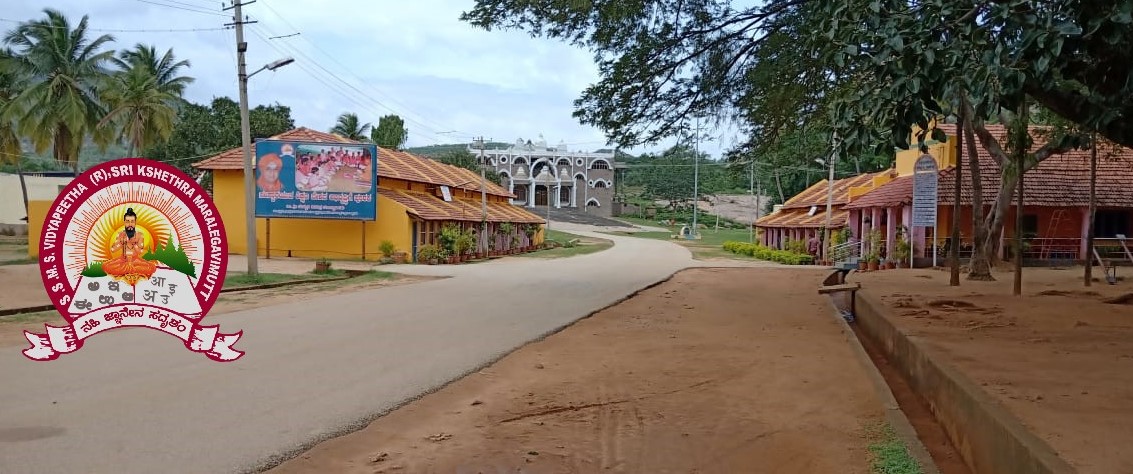
An educational expression of the Mutt's continuing purpose — bringing knowledge, care, discipline and opportunity closer to children and young people who need it most.
The Vidya Peetha began with six students and Sanskrit lessons under Sri Kalagni Rudramuni Maha Swamiji. What began as a modest educational effort grew into a continuing commitment to make learning accessible to communities with fewer opportunities.
Six students.
A much larger horizon.
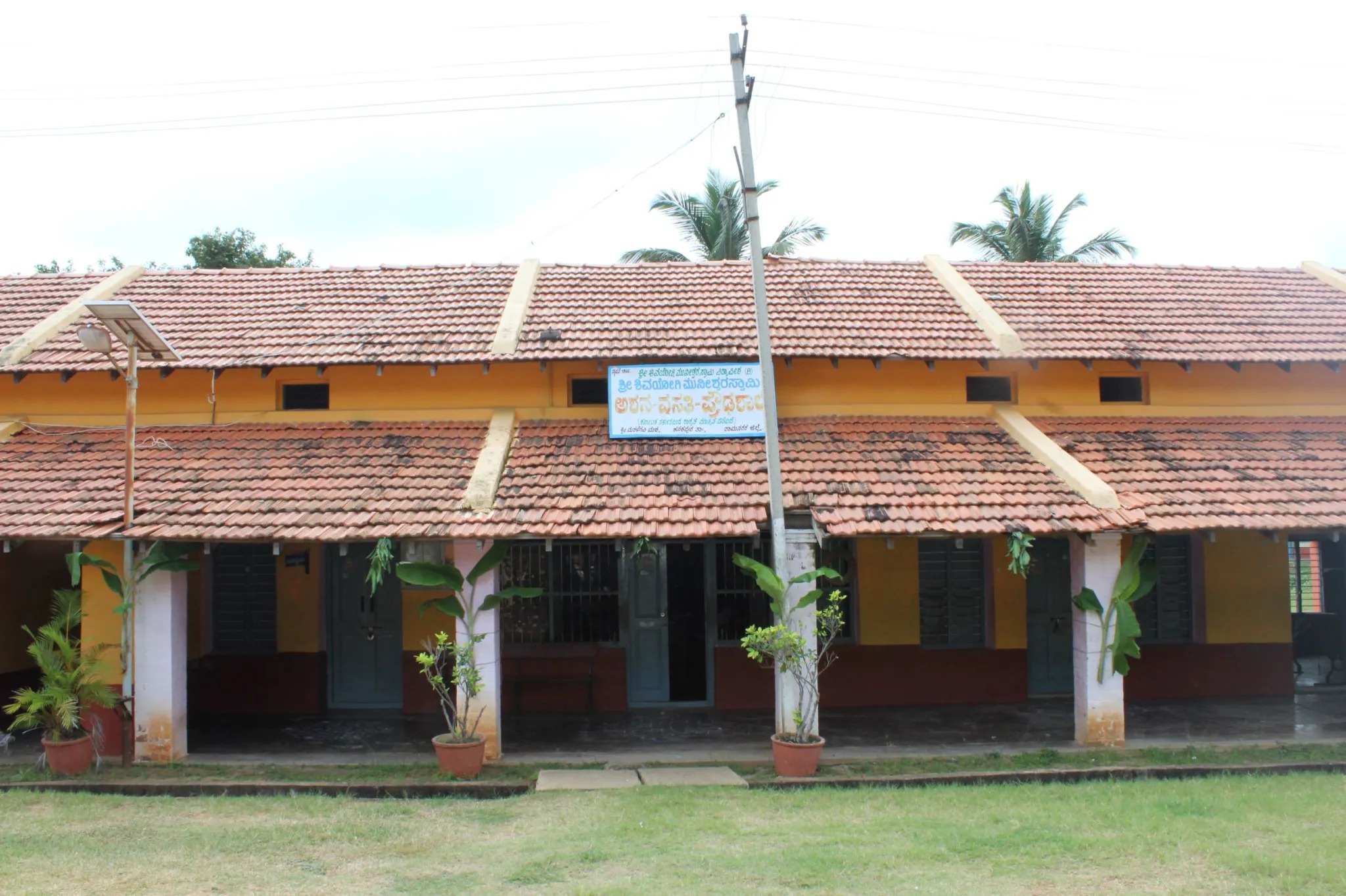
The Mutt's educational work is presented not simply as schooling, but as a means of widening opportunity. Its published material describes free and quality education alongside food and shelter, with a focus on children from less privileged communities.
Educational facilities serve children from local, rural and hilly communities and are intended to support students whose families have limited educational and economic resources.
Academic learning sits alongside prayer, yoga, sports, Scouts and Guides, National Service Scheme participation, health, hygiene, culture and social responsibility.
The new photographs reveal the physical character of the Vidya Peetha more clearly: long shaded corridors, classrooms, study spaces, the school buildings and the wider campus that holds them together. These are not just backdrops to education; they are the everyday setting in which it takes place.
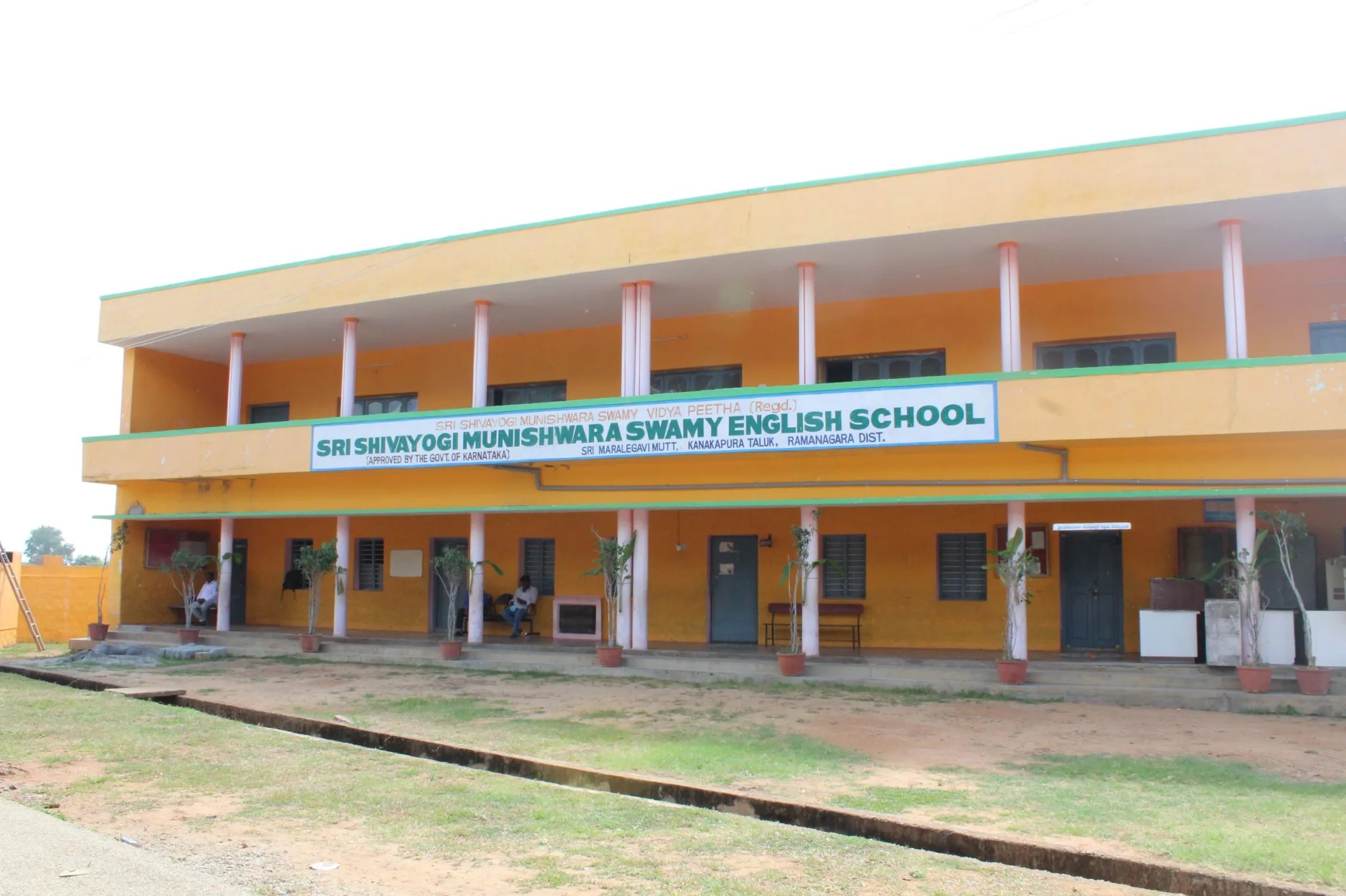
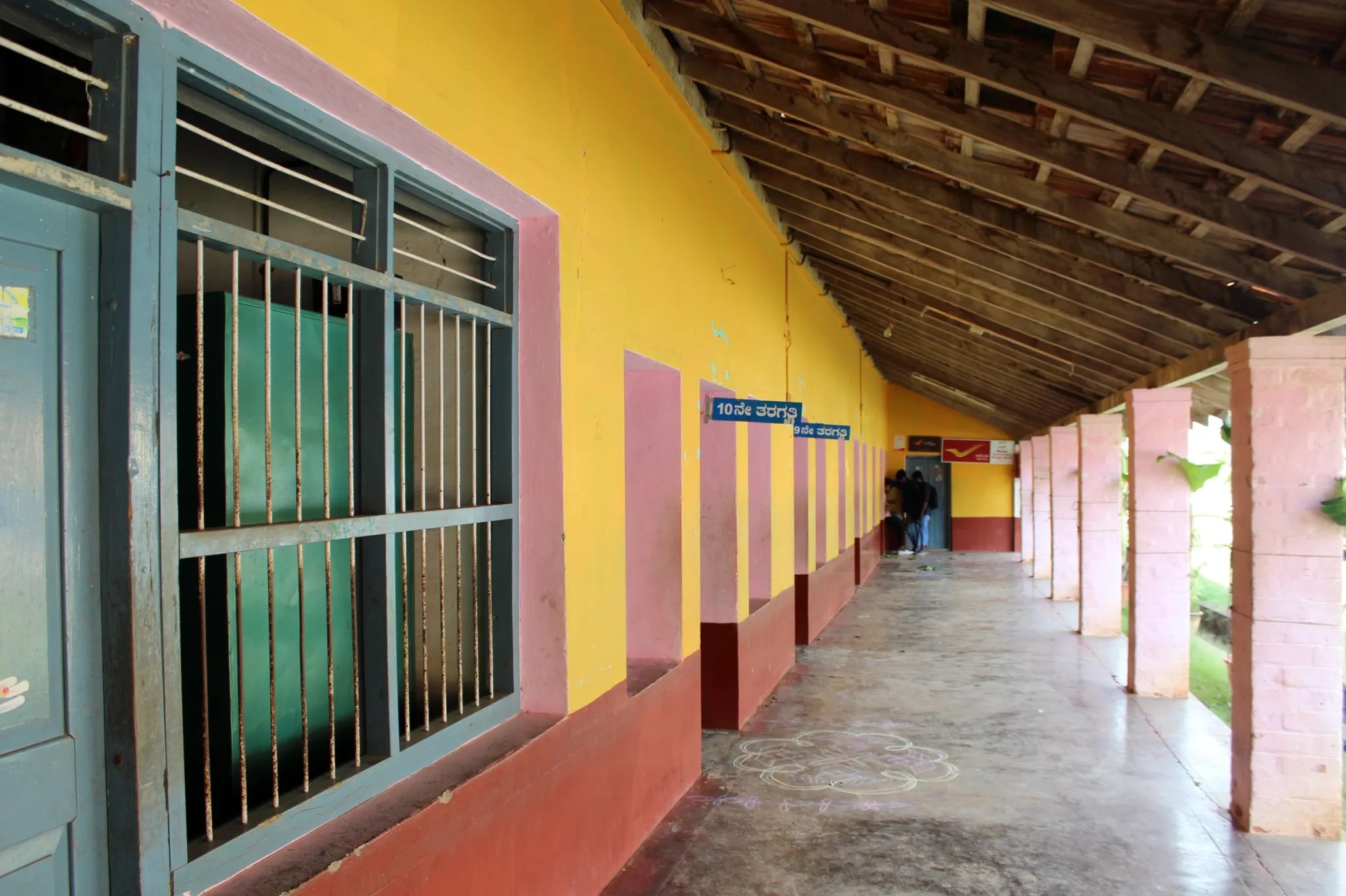
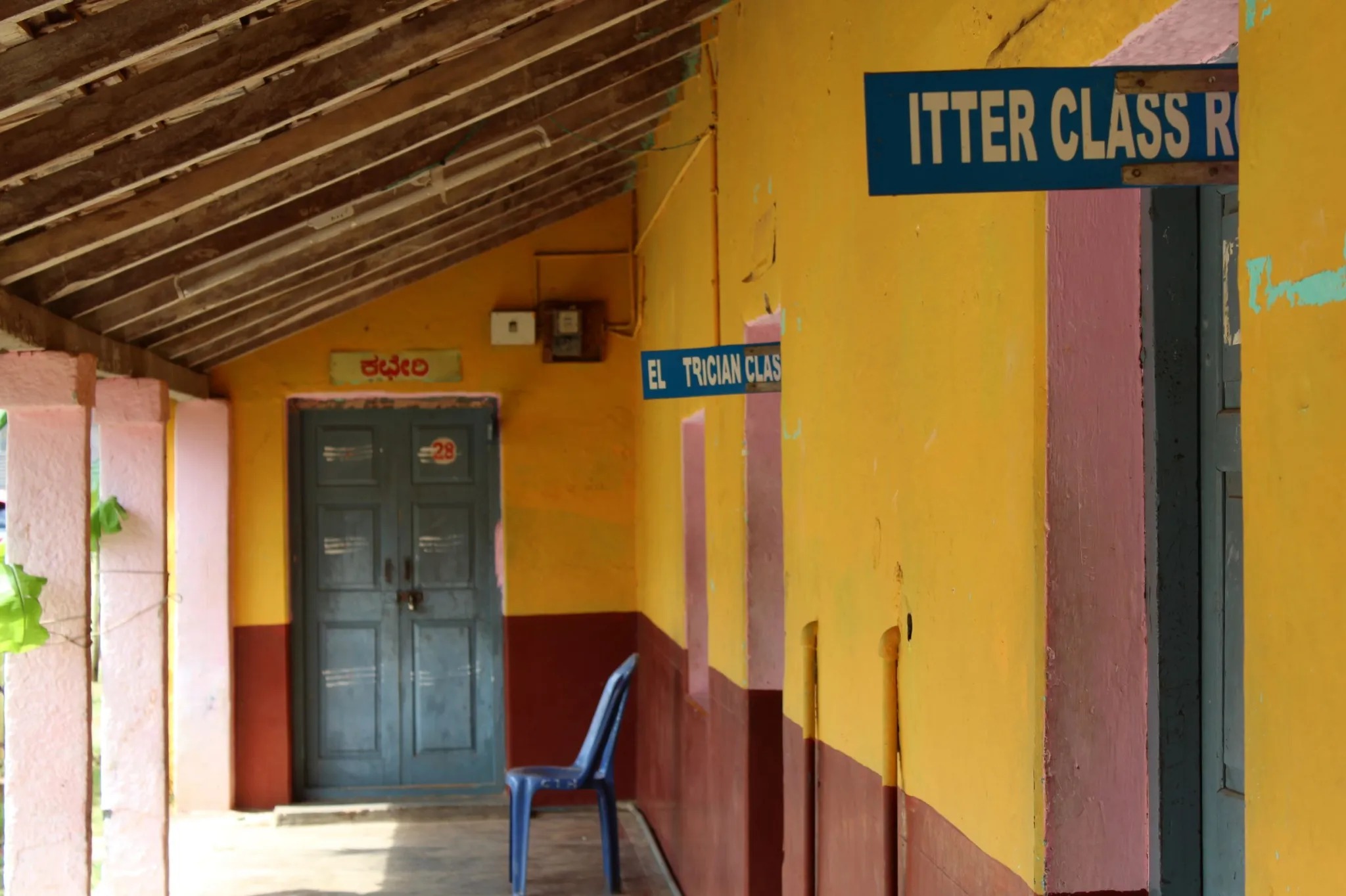
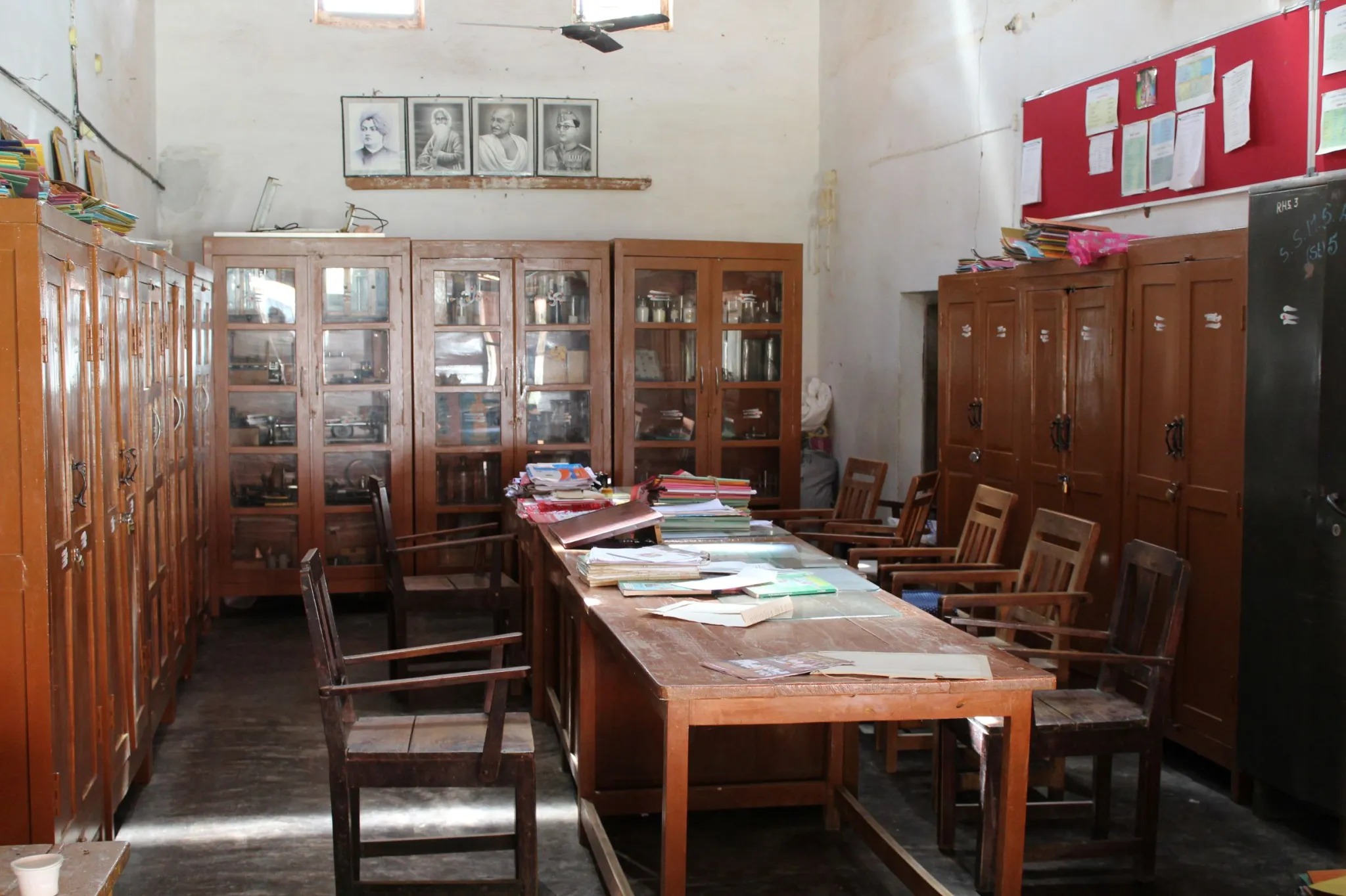
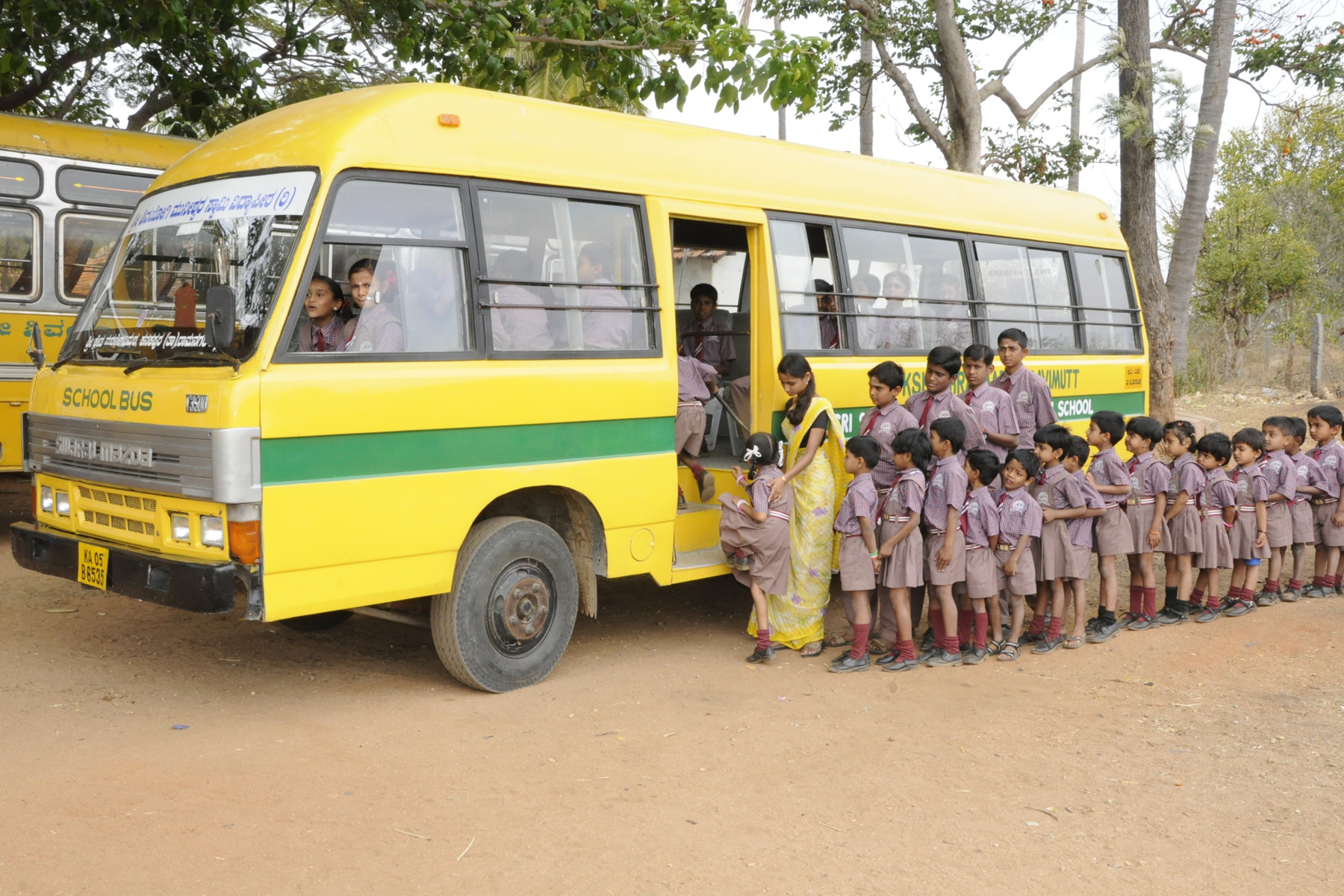
The work of an educational institution is not only measured by its classrooms. The school bus, the library, the meal, the hostel and the shared routines of campus life all form part of the support structure that allows a child to remain engaged with learning.
The Sri Shivayogi Munishwara Swamy Vidyapeetha Education Society presently runs more than 16 educational facilities across parts of Karnataka and Tamil Nadu, spanning primary and secondary education, skill development and industrial training.
The Vidya Peetha's headquarters campus is described as providing free and quality schooling, with published material recording more than 1,000 children supported there.
Education is paired with practical support so that circumstances outside the classroom do not become the reason a child is unable to continue learning.
The wider educational structure extends beyond school-age learning and includes support for students pursuing education at institutions outside the Mutt's own premises.
Skill development and industrial training are part of the Society's broader educational footprint, connecting learning with practical capability and livelihood.
The Mutt also describes awareness programmes in child health care, environmental sanctity, agriculture, cleanliness and other community-oriented initiatives.
The Vidya Peetha model brings together education with the everyday conditions that help children participate fully: food, shelter, study resources, a structured routine and a wider environment of cultural and social learning.
Education · Food · Shelter · Care
A classroom, a prayer, a shared meal, a computer, a bus ride or a practical lesson can look like a small moment. Together they form the lived experience of an education built around access and participation.
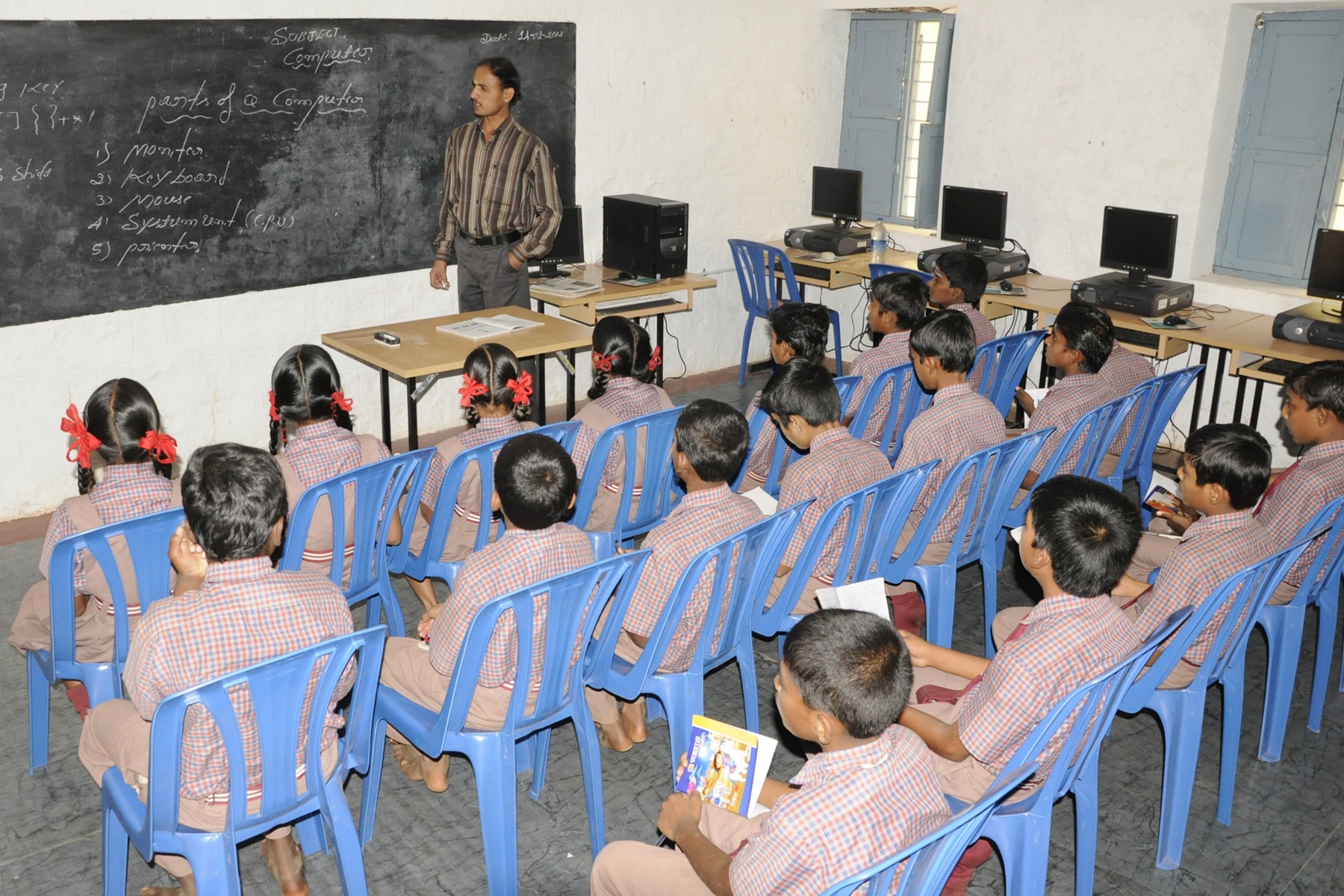
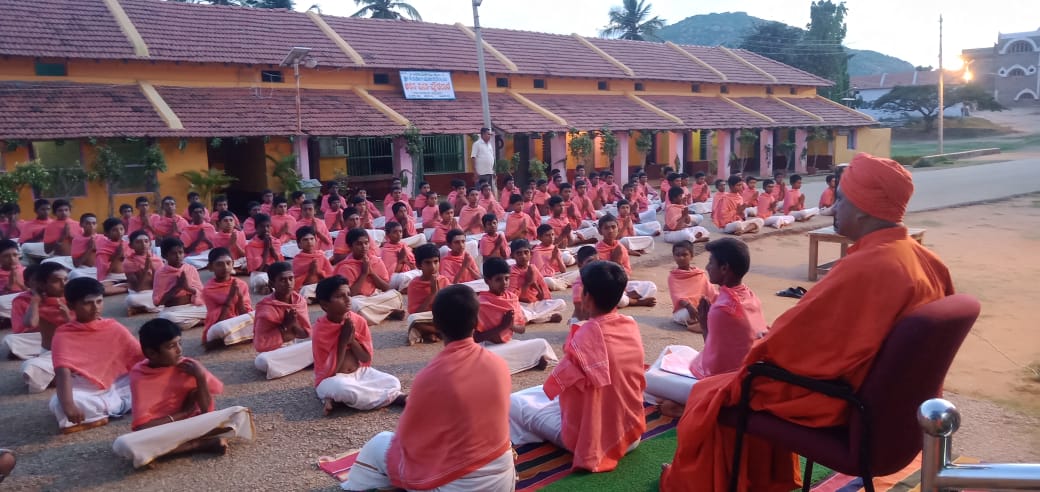
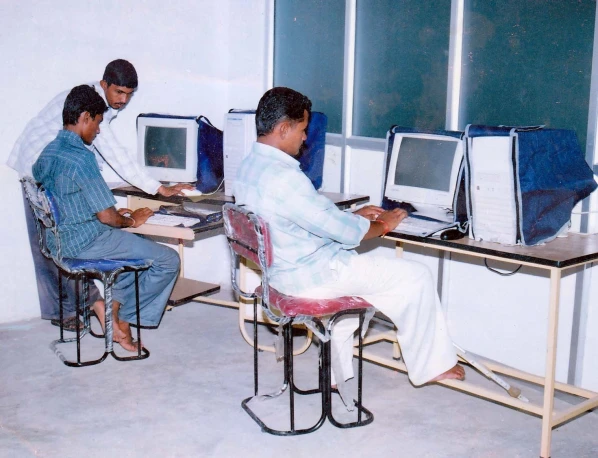
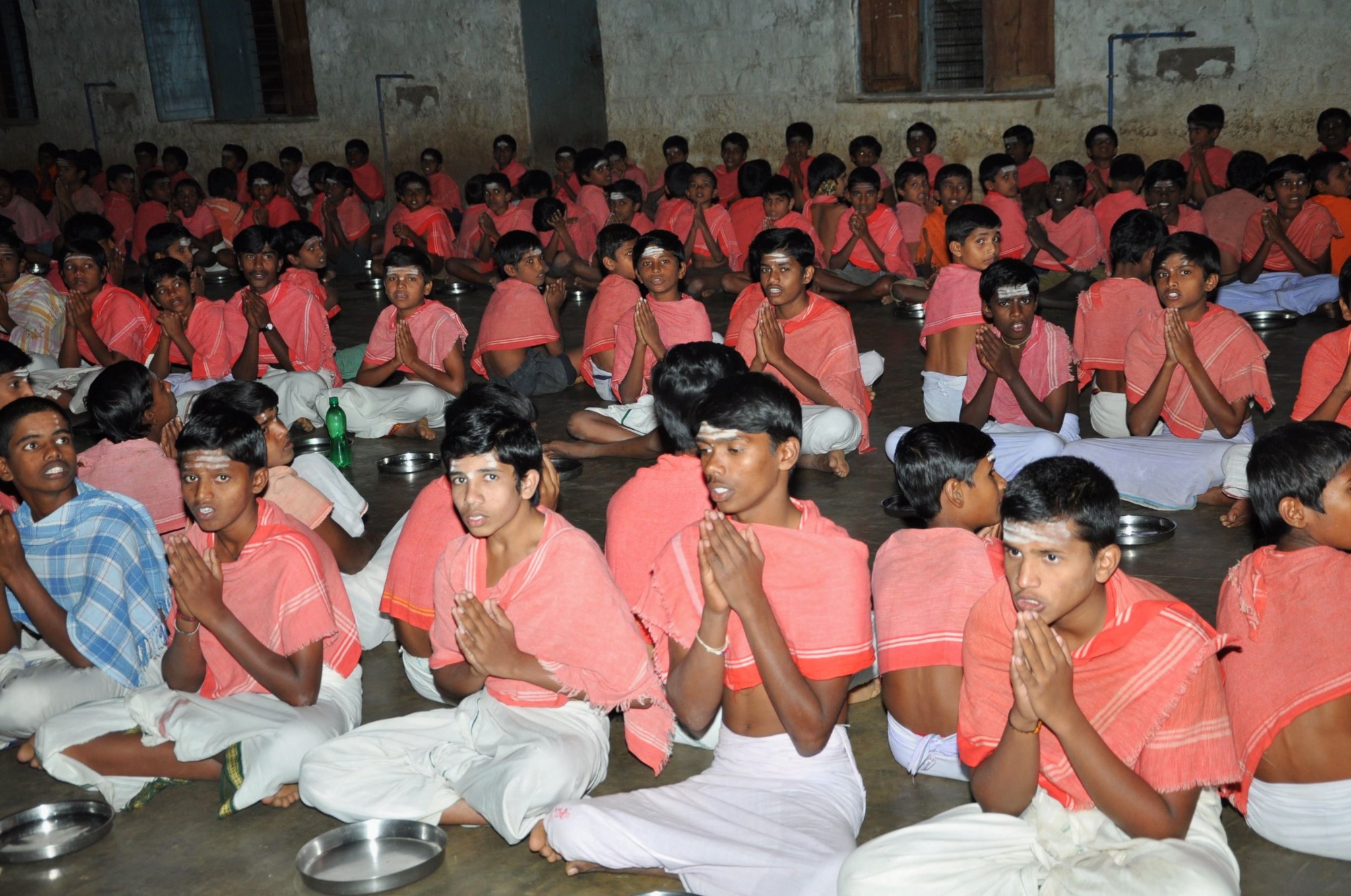
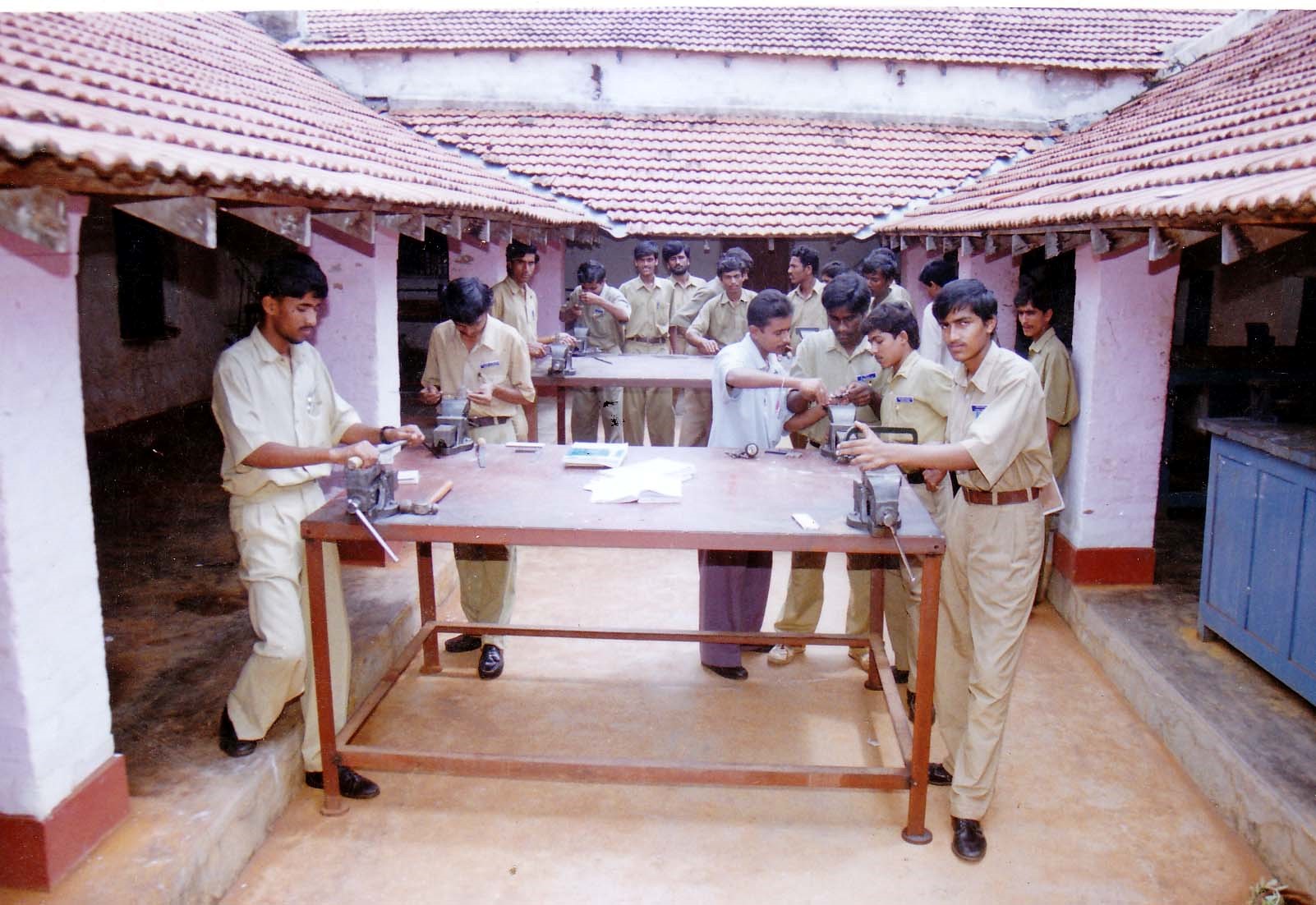
The photographs of the school buildings and campus sit alongside a wider institutional story. The Vidyapeetha Education Society's work reaches into different forms of education and skill development, allowing the idea of learning to continue beyond a single classroom or age group.
Schooling · Study · Skill · Service
The Vidya Peetha remains one of the Mutt's clearest expressions of knowledge as service — creating conditions in which children and young people can learn, grow, develop practical capability and imagine a more dignified future.